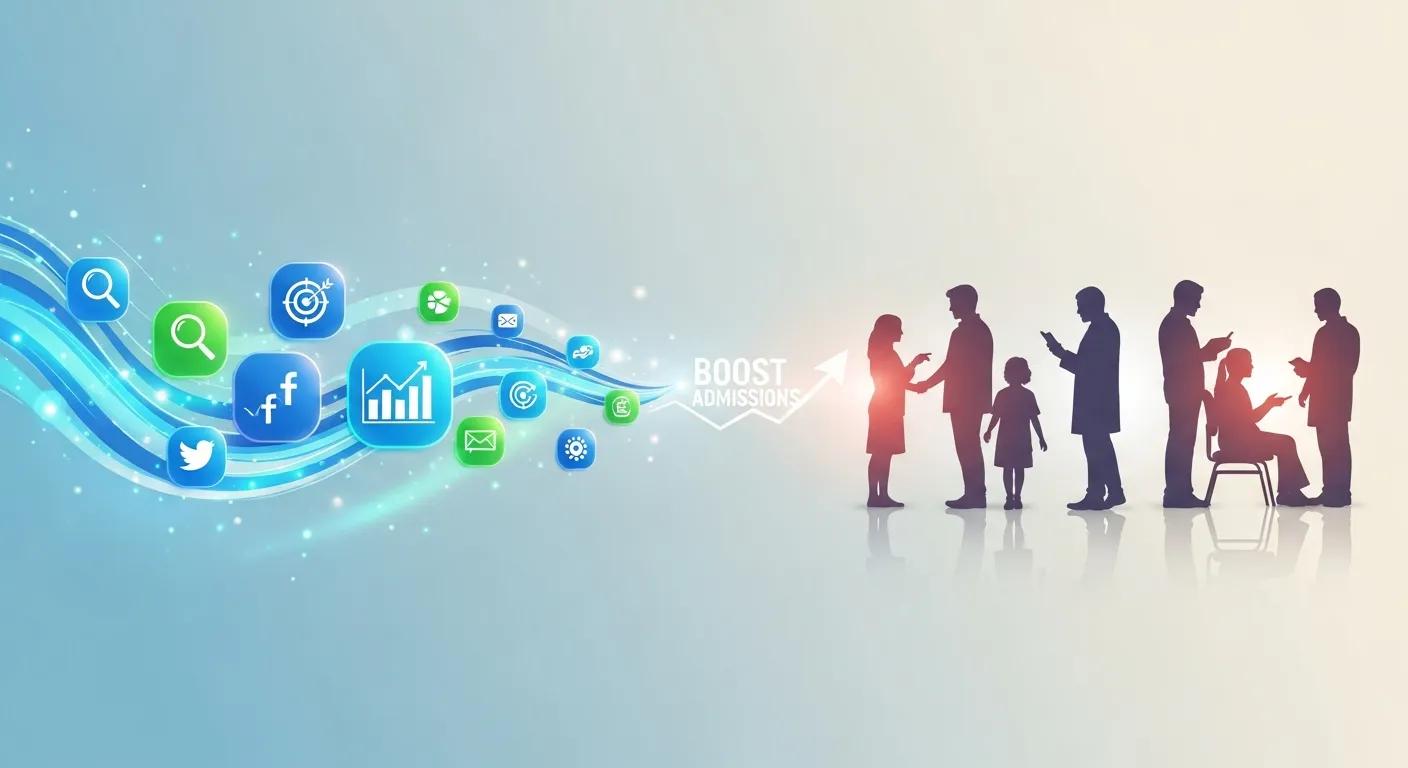
Social media platforms have become essential tools for recovery centers to connect with potential clients and their families. By creating engaging content and fostering community interactions, recovery centers can enhance their visibility and build trust within their target audience.
For instance, platforms like Facebook and Instagram allow recovery centers to share success stories, informative articles, and live Q&A sessions. These strategies not only promote the center's services but also create a supportive online community that can encourage individuals to seek help.
Content marketing is a powerful approach for recovery centers to establish authority and attract clients. By producing valuable and informative content, centers can address common questions and concerns related to addiction treatment, positioning themselves as trusted resources.
Examples of effective content marketing include blog posts, e-books, and video testimonials that provide insights into the recovery process. This not only educates potential clients but also improves search engine rankings, making it easier for those in need to find the services offered.
Local SEO is crucial for recovery centers aiming to attract clients from their geographic area. By optimizing their online presence for local searches, centers can ensure they are visible to individuals seeking treatment within their communities.
Utilizing Google My Business, optimizing local keywords, and collecting reviews from clients are effective strategies for improving local search rankings. This targeted approach can significantly increase foot traffic and inquiries from potential clients looking for nearby support.
Email marketing remains one of the most effective channels for recovery centers to nurture leads and maintain relationships with past clients. Crafting personalized and informative email campaigns can keep individuals engaged and informed about services, events, and success stories.
For example, recovery centers can use email newsletters to share valuable resources, updates on programs, and motivational content. This consistent communication not only reinforces the center's commitment to recovery but also encourages recipients to reach out for help when needed.