
By Jonathan Fish, Recovery Path Digital Marketing
In the dynamic world of addiction treatment marketing, having a strategic and effective digital presence is crucial for rehabilitation centers. Recovery Path Marketing stands out as a leader by specializing in digital marketing services tailored specifically for addiction treatment centers. This article dives into the various aspects that make Recovery Path an industry leader, including specialized marketing techniques, the impact of SEO, and successful case studies. With the evolving landscape of addiction treatment marketing, rehabilitation centers are increasingly recognizing the importance of effective digital strategies to enhance client acquisition and retention. Throughout this article, we will explore how Recovery Path’s approach benefits rehab centers and sets them apart from conventional practices. Key sections will examine specialized marketing advantages, effective SEO strategies, paid advertising campaigns, compliance requirements, and notable case studies validating their success in this niche field.
Recovery Path Marketing distinguishes itself as a premier digital marketing agency in the addiction treatment space through its deep industry expertise, data-driven approach, and measurable ROI outcomes. By focusing exclusively on addiction recovery centers, they have cultivated a nuanced understanding of the unique challenges and needs within this sector. This specialization allows them to develop tailored marketing strategies that resonate with potential clients seeking treatment options.
Specialized addiction treatment marketing enhances rehab center growth by employing targeted strategies that effectively reach potential clients. Utilizing data-driven methodologies, Recovery Path implements optimized SEO practices that highlight the facility’s services and ensure visibility in search engine results. Moreover, compassionate content marketing fosters an emotional connection with potential patients, explaining treatment methods and inspiring trust. Compliance with ethical marketing practices further solidifies their reputation, allowing rehab centers to build credibility and ultimately drive patient inquiries.
Measurable results from Recovery Path’s ROI-driven approach reveal significant improvements in client engagement and treatment center admissions. For instance, their strategic SEO campaigns have resulted in increased patient inquiries and enhanced online visibility. A focus on data analytics enables continuous optimization of marketing strategies, leading to higher ROI metrics. Over an evaluated period, many partnered rehab centers have reported improved admissions rates, confirming that Recovery Path’s strategies effectively attract and convert potential clients into admissions.
The most effective SEO strategies for addiction treatment centers in 2026 revolve around targeted keyword optimization, local SEO applications, and ongoing content development. By optimizing for specific keywords related to rehabilitation and treatment options, centers can increase their chances of being discovered by individuals actively seeking help.
Rehab SEO improves client acquisition through targeted keyword optimization by ensuring that digital content is aligned with the specific terms potential clients use when searching for treatment options. This involves conducting thorough keyword research to identify high-value search terms. On-page SEO tactics, such as title tags and meta descriptions, further enhance search engine rankings. The incorporation of content development around these keywords not only helps improve search visibility but fosters trust and authority, positioning the treatment center as a leading resource in their field.
This approach aligns with strategies that have been shown to drive significant traffic through well-crafted and SEO-optimized content.
SEO for Addiction Treatment: Driving Global Traffic
They were all original articles on addiction therapy and only took a few hours to make. With some search engine optimization, we started receiving a small amount of global traffic. I then Developing Autonomy–Addiction treatment online
Local SEO is critical for geographic marketing of treatment facilities because it ensures that potential clients can easily find nearby options when searching for help. Optimizing the Google Business Profile and maintaining Name, Address, Phone Number (NAP) consistency across all online platforms enhances local search visibility. Engaging with local communities through initiatives and partnerships boosts reputation and trust, leading to improved client acquisition. As such, local SEO serves as a foundational element of an effective marketing strategy tailored for rehab centers.
Paid advertising campaigns play a crucial role in boosting admissions for addiction recovery centers by providing immediate visibility and targeted outreach. These campaigns can quickly connect treatment facilities with those in need of help, making them an essential tool in the increasingly competitive addiction treatment market.
Compliant PPC advertising options tailored for rehab marketing include Google Ads and social media platforms that adhere to industry regulations. Recovery Path emphasizes the importance of creating targeted ads that focus on high-intent keywords, ensuring that their advertisements are relevant to those actively seeking treatment. By managing compliance with legal requirements, addiction treatment centers can effectively promote their services without compromising ethical guidelines.
However, careful consideration must be given to the ethical implications of behavioral targeting in advertising, particularly for vulnerable populations.
Understanding Behavioral Targeting’s Impact on Vulnerable Users
Behavioral targeting is an increasingly popular marketing technique that utilizes users’ online activity to personalize advertisements aimed at consumers. The Public Health Cost of Online Behavioral Targeting, 2025
Conversion optimization techniques that help reduce cost-per-acquisition in rehab PPC campaigns include automated bidding strategies and effective landing page designs. Well-structured landing pages that clearly communicate treatment options and include strong calls to action can significantly increase conversion rates. Additionally, continuous tracking of campaign performance allows for timely adjustments that enhance the overall effectiveness of paid advertising efforts, leading to a lower cost-per-acquisition.
Compliance is essential in digital marketing for addiction treatment providers to ensure that all advertising practices align with legal and ethical standards. Adhering to regulations not only protects the treatment center but also builds trust with potential clients seeking help.
Key HIPAA considerations for marketing addiction recovery centers include safeguarding patient confidentiality and ensuring that no sensitive information is disclosed without proper consent. Marketing materials must be reviewed to avoid potential violations, such as using patient testimonials without appropriate safeguards. By maintaining compliance with HIPAA, treatment centers can foster a culture of trust and respect, which is crucial for patient engagement and retention.
Such strong adherence to ethical guidelines is paramount for responsible digital marketing in healthcare, especially when dealing with sensitive patient information.
Ethical Digital Marketing for Healthcare and Patient Privacy
This chapter addresses the ethical, legal, and privacy considerations essential to responsible digital marketing in healthcare.. Ethical Considerations and Patient Privacy in Digital Marketing for Healthcare, 2025
Recovery Path’s strategies ensure legal and ethical advertising practices by prioritizing transparency and adherence to industry regulations. This is achieved through rigorous training of marketing personnel on HIPAA guidelines, implementing data minimization strategies, and adopting thorough review processes for all promotional materials. Such practices guide addiction treatment centers in presenting their services honestly while avoiding the pitfalls of misleading claims or unauthorized patient information.
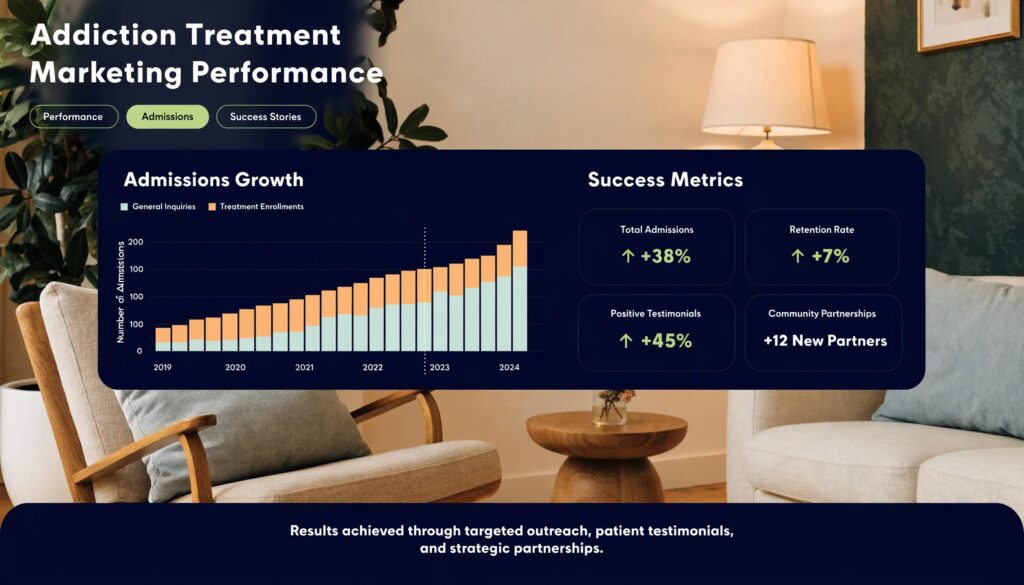
Case studies validating Recovery Path Marketing’s success in addiction treatment marketing indicate substantial improvements in admissions and client retention metrics. By showcasing specific client success stories, these studies illustrate the effectiveness of tailored marketing strategies designed for the addiction recovery space.
Client success stories highlight remarkable improvements in admissions and ROI through the implementation of focused SEO strategies and impactful content marketing. For example, one rehabilitation center reported a 40% increase in patient inquiries within six months of partnering with Recovery Path, illustrating the tangible benefits of an expert-driven marketing approach. Additionally, client testimonials underscore the value of Recovery Path’s tailored services in achieving significant growth.
Interactive tools and analytics play a vital role in enhancing ongoing marketing optimization by providing actionable insights into campaign performance. Utilizing data visualization tools allows recovery centers to track key performance indicators in real-time, facilitating swift adjustments to marketing strategies. This real-time feedback loop not only helps in refining current tactics but also in developing future campaigns based on comprehensive analysis, further cultivating client engagement.
Recovery Path Marketing supports treatment centers with comprehensive content marketing strategies aimed at client engagement and retention. By understanding the unique challenges of addiction recovery, their approach yields both educational and empathetic resources that resonate with potential clients.
Educational content plays a vital role in building authority and trust for rehabs by providing valuable insights and resources to individuals seeking help. By creating informative articles, guides, and videos centered around addiction treatment topics, Recovery Path positions treatment centers as trusted authorities in their field. This not only nurtures relationships with potential clients but also contributes to improved search rankings, amplifying the rehab’s visibility to those in need.
Strategies improving long-term client retention through digital outreach include personalized email marketing campaigns and consistent engagement on social media platforms. By utilizing targeted messaging that addresses client needs, recovery centers can maintain supportive relationships that extend beyond initial treatment. Community engagement initiatives, such as online support groups and webinars, further deepen connections with clients, fostering a supportive environment conducive to long-term recovery.
Analytics play a crucial role in addiction treatment marketing by providing insights into campaign performance, audience behavior, and overall engagement. By analyzing data such as website traffic, patient inquiries, and conversion rates, rehab centers can refine their marketing strategies to better target their audience. This data-driven approach allows for continuous improvement, ensuring that marketing resources are allocated efficiently, ultimately leading to better client acquisition and higher ROI.
Social media marketing offers rehab centers a powerful platform to connect with potential clients and engage with their communities. By sharing success stories, educational content, and interactive posts, treatment facilities can foster a sense of community and support. This engagement not only helps in brand building but also promotes awareness about addiction treatment options. Additionally, social media allows for real-time interaction with users, enhancing communication and relationship-building efforts that are vital in recovery journeys.
Rehab centers must prioritize ethical marketing practices, which include honesty in all communications and the protection of patient privacy. Ensuring compliance with regulations such as HIPAA is essential to uphold confidentiality and avoid legal repercussions. Additionally, marketing efforts should focus on transparency and avoid exaggerating treatment outcomes. Ethical considerations also extend to how success stories and testimonials are presented, requiring consent and responsibilities towards portraying accurate representations of patient experiences.
Content marketing significantly enhances SEO for addiction treatment centers by producing high-quality, relevant, and informative materials that attract organic traffic. By addressing the needs of individuals seeking help, treatment facilities can create valuable content that incorporates targeted keywords, improving search engine rankings. Regularly updated blogs, articles, and resources not only engage potential clients but also encourage backlinks from reputable sites, further boosting their online visibility in an increasingly competitive landscape.
Emerging trends such as the increased use of artificial intelligence for personalization, video content for storytelling, and mobile optimization are shaping the future of digital marketing in addiction treatment. Rehabilitation centers are leveraging AI to analyze user behavior and tailor their messaging effectively. Furthermore, video content is becoming essential for engaging potential clients by delivering impactful stories. As consumers increasingly rely on mobile devices, optimizing marketing strategies for mobile accessibility will also be crucial for ensuring outreach effectiveness in the coming years.
Community partnerships are a strategic way for treatment centers to enhance their visibility and demonstrate their commitment to local well-being. By collaborating with local organizations, healthcare providers, and support groups, rehab centers can host informative events, workshops, and seminars that engage the community. These partnerships not only generate trust but also serve as valuable networking opportunities that can lead to referrals. Additionally, being active in local initiatives showcases the center’s dedication to supporting recovery resources, further enhancing its reputation.
In the competitive landscape of addiction treatment, establishing a strong and ethical digital presence is paramount. Recovery Path Marketing stands as a specialized leader, dedicated to helping rehabilitation centers not only reach but also connect with individuals seeking life-changing care. This review delves into how their comprehensive digital marketing strategies, from advanced SEO to compassionate content creation, are designed to amplify visibility, drive qualified leads, and ultimately improve patient admissions and return on investment for treatment facilities.
Understanding the unique challenges and regulatory environment of the addiction treatment sector, Recovery Path Marketing crafts tailored solutions that prioritize patient privacy and ethical communication. Their approach is built on a foundation of deep industry knowledge, data-driven insights, and a commitment to delivering measurable results. By focusing on a holistic digital strategy, they empower rehab centers to navigate the complexities of online marketing effectively, ensuring they are seen by those who need their services most.
Recovery Path Marketing offers a suite of specialized digital marketing services meticulously designed for addiction treatment centers. Their expertise spans crucial areas such as Search Engine Optimization (SEO), Pay-Per-Click (PPC) advertising, social media management, and content marketing. Each service is strategically developed to address the specific needs and regulatory requirements of the healthcare sector, ensuring that rehabilitation facilities can effectively reach their target audience while maintaining ethical standards.
The agency's core offerings are geared towards enhancing online visibility, driving qualified leads, and improving conversion rates for treatment centers. This includes optimizing websites for search engines to attract organic traffic, managing targeted advertising campaigns to reach potential patients actively seeking help, and creating engaging content that educates and builds trust. By leveraging these services, addiction treatment centers can significantly boost their admissions and achieve a stronger return on their marketing investments.
Search Engine Optimization (SEO) is a cornerstone of Recovery Path Marketing's strategy for addiction treatment centers, focusing on increasing organic visibility in search engine results. This involves meticulous keyword research targeting terms potential patients use when seeking help, such as "drug rehab near me" or "addiction treatment programs." By optimizing website content, meta descriptions, and technical elements, Recovery Path ensures that treatment centers rank higher, making them more accessible to individuals in critical need.
Beyond general SEO, Recovery Path emphasizes Local SEO, crucial for geographically-focused treatment facilities. This includes optimizing Google Business Profiles, ensuring consistent Name, Address, and Phone Number (NAP) information across all online directories, and encouraging local reviews. This targeted approach helps rehab centers appear prominently in local search results and map listings, directly connecting them with individuals in their service area actively searching for immediate assistance.
Recovery Path Marketing employs sophisticated paid advertising strategies, primarily through Google Ads and social media platforms, to connect addiction treatment centers with individuals actively seeking recovery services. These campaigns are highly targeted, utilizing precise demographic, geographic, and interest-based targeting to ensure that ad spend is directed towards the most relevant audience. This approach minimizes wasted ad spend and maximizes the chances of reaching potential patients at the moment they are most likely to seek help.
The agency focuses on creating compelling ad copy and landing pages that resonate with the sensitive nature of addiction recovery, while also adhering to strict advertising policies. Conversion tracking and continuous optimization are paramount, allowing Recovery Path to refine campaigns based on performance data. This data-driven approach helps reduce the Cost Per Acquisition (CPA) and improve the overall Return on Ad Spend (ROAS), ensuring that treatment centers see tangible results from their advertising efforts.
Operating within the healthcare sector, particularly addiction treatment, necessitates a stringent adherence to legal and ethical marketing standards. Recovery Path Marketing places a significant emphasis on compliance, ensuring all digital marketing activities align with regulations such as HIPAA (Health Insurance Portability and Accountability Act) and ethical guidelines for advertising to vulnerable populations. This commitment safeguards both the treatment center and the individuals they serve.
Recovery Path implements rigorous review processes for all marketing materials and campaigns to ensure they are not only effective but also respectful, truthful, and privacy-compliant. This includes careful handling of patient data, avoiding misleading claims, and ensuring that advertising practices do not exploit or stigmatize individuals struggling with addiction. By prioritizing ethical marketing, they help build trust and credibility for treatment centers, fostering a positive brand image essential for long-term success.