
By Armando Dippet, Solar Installers Las Vegas
The ever-evolving landscape of energy solutions is ushering in the benefits of solar installation, particularly in a sun-drenched city like Las Vegas. In this comprehensive guide, readers will explore the various financial advantages that solar energy presents, from installation costs to long-term savings. By integrating solar energy systems into both residential and commercial setups, individuals can not only reduce their energy bills but also contribute to a more sustainable environment. This article will delve into the costs associated with solar installations, available tax incentives, and crucial environmental benefits, offering an all-encompassing perspective essential for informed decision-making.
When considering solar energy, understanding the installation costs in Las Vegas is crucial. Installation costs can vary significantly based on several factors including the system size, type of solar panels chosen, and the specifics of installation site conditions. Generally, homeowners can expect installation costs to range between $15,000 and $25,000 before any tax incentives or rebates, which provides a solid investment for the future.
These costs can fluctuate based on the scale of the installation. For instance, larger commercial projects often benefit from economies of scale, leading to potentially lower costs per watt installed. Additionally, hiring reputable solar installers who provide transparent pricing can help alleviate concerns regarding hidden fees. Ultimately, recognizing the unique factors impacting solar installation prices will help consumers plan their budgets effectively.

Investing in solar installation not only presents upfront costs but also offers substantial long-term savings. Solar energy significantly reduces monthly energy bills, with many homeowners reporting reductions of 50% or more. These savings can accumulate rapidly, enhancing the return on investment (ROI) over time. Additionally, many property owners in Las Vegas see an increase in property value attributed directly to solar energy systems.
To maximize these financial benefits, homeowners can utilize solar savings calculators available online to estimate their potential savings based on current energy usage and local solar incentives. With the right investment, solar installations can pay for themselves in as little as 5 to 7 years, making them a financially sound decision for long-term energy independence.
For those interested in maximizing their savings further, Solar Installers Las Vegas provides professional consultation services to help clients understand their options and find the best solutions for their energy needs.
In sunny Las Vegas, the payback period for solar panel systems typically ranges from 5 to 10 years. This timeframe depends on factors including local energy rates, tax incentives, and system efficiency. With substantial savings on energy bills and the possibility of increasing property value, many consumers find that the upfront cost of solar panels pays off remarkably well within this period.
While both residential and commercial installations yield savings, the scale of savings can vary. Residential systems often see a swifter payback due to lower total installation costs and less complex installations. Conversely, commercial installations, while initially more expensive, may benefit from larger scale economies and government incentives that can enhance long-term savings potential.
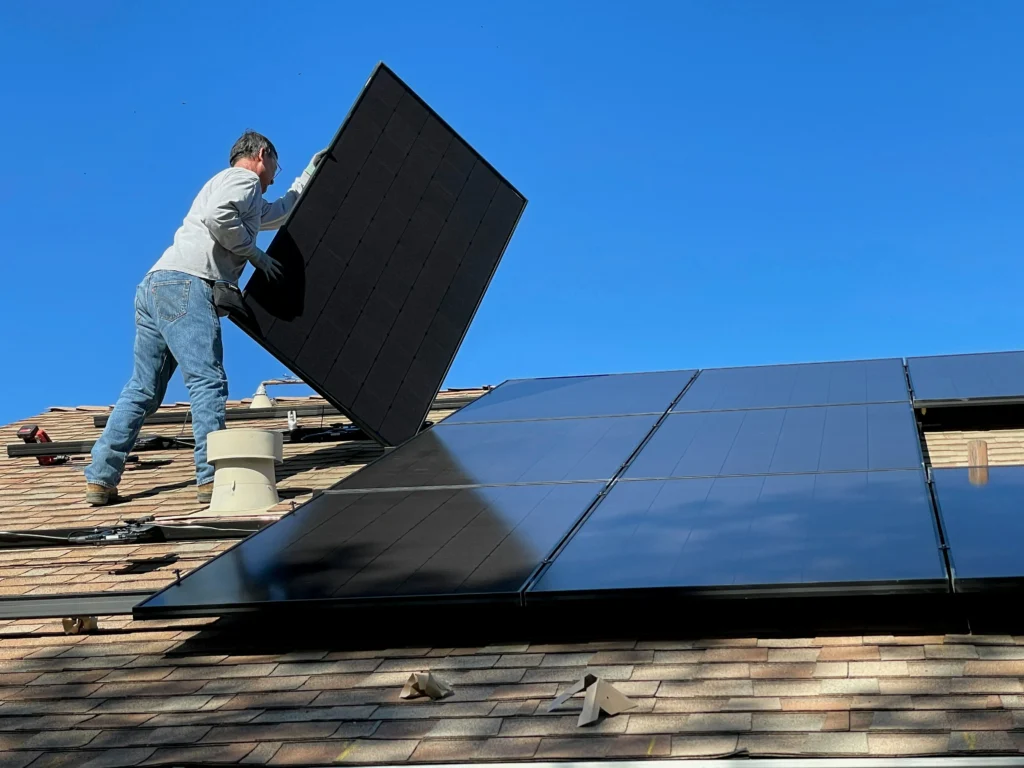
Solar energy systems qualify for several federal and state tax incentives that dramatically reduce the overall cost of installation. The Investment Tax Credit (ITC) allows solar system owners to deduct a significant percentage of their installation costs from federal taxes, making it one of the most impactful financial incentives available.
In addition to federal incentives, Nevada offers various state and local rebates which can significantly diminish installation costs. Homeowners may receive rebate amounts of up to $1,000 depending on specific criteria, while businesses can explore various incentive programs designed to encourage renewable energy use. Consumers should consult with solar installation professionals to determine eligibility for these valuable rebates, thus enhancing their financial return on investment.
The combination of Nevada state incentives with the federal Investment Tax Credit creates a formidable savings opportunity for residents and businesses alike. For instance, a qualified installation costing $20,000 could result in a federal tax credit of $6,000 (30% of the installation cost). Coupled with local rebates, total savings can significantly diminish the initial cost, making solar energy an increasingly sustainable choice.
Switching to solar energy not only benefits individual financial situations but also supports larger ecological goals. Solar electric systems produce clean, renewable energy, drastically reducing reliance on fossil fuels. This transition leads to a significant decrease in carbon emissions, aligning with global trends toward sustainability.
By installing solar panels, households contribute to diminished greenhouse gas emissions while promoting a healthier environment for future generations. These environmental advantages play a crucial role in shaping consumer choices toward renewable energy, transforming the landscape in cities like Las Vegas into more sustainable urban environments.
Beyond financial and environmental considerations, solar installations provide numerous additional benefits for consumers. One key advantage is energy independence, as solar panels generate power directly on-site, reducing reliance on grid electricity. This is particularly advantageous given potential future increases in utility rates, which can further enhance the value of solar investments.
Moreover, battery storage options allow homeowners to utilize stored solar energy during off-peak hours, providing an added layer of efficiency. With advancements in battery technology, residential setups can achieve greater self-sufficiency while minimizing reliance on utility companies.
With growing interest in solar installations, accurately assessing potential savings is essential for informed decision-making. Consumers can utilize various online solar savings calculators that take into account factors such as energy consumption, local electricity rates, and available incentivized programs.
These tools can give preliminary estimates of how much a solar energy system will save on monthly bills. However, consulting with industry experts like those at Solar Installers Las Vegas can provide tailored calculations reflecting specific needs and circumstances, ensuring more precise financial planning.
The process for obtaining a solar consultation typically begins with an initial assessment of energy usage, followed by a site evaluation. Solar professionals will analyze the property’s suitability for solar panel installation and present options that match the client’s energy goals and budget. Upon site assessment, tailored quotes will detail installation costs, potential energy savings, and available incentives, empowering consumers to make decisions with confidence.
When choosing a solar installation company, it’s crucial to consider factors such as experience, customer reviews, and warranties offered. Additionally, evaluating companies based on their certification and local knowledge can ensure that they are informed about applicable incentives, which can optimize the benefits of solar adoption. A reputable installer will also provide transparent pricing and effective project management, ensuring a smooth installation experience.
The climate in Las Vegas proves advantageous for solar energy since long hours of sunshine promote high efficiency and output from solar panels. With average annual sunshine exceeding 3,800 hours, solar energy systems can achieve optimal performance, significantly enhancing energy production and utility savings.
Furthermore, panels designed specifically for high-temperature environments can ensure sustained efficiency. Advances in technology allow for improved performance in heat, making solar systems an excellent long-term energy solution for homeowners and businesses in Las Vegas.
The long-term economic benefits of installing solar panels extend well beyond immediate cost savings. For homeowners, the increase in property values coupled with reduced energy expenditure illustrates a dual financial advantage, confirming solar installations as a wise residential investment.
For businesses, the combination of lower operational costs and appealing sustainability practices can attract eco-conscious consumers. This engagement fosters a stronger public image, laying the groundwork for further investment in green technologies. The economic implications of going solar resonate deeply within Las Vegas, shaping both individual and community-level financial practices.
| Incentive Type | Description | Value |
|---|---|---|
| Federal ITC | Investment Tax Credit for solar installations | 30% of installation costs |
| NV State Rebate | State-level rebate for residential systems | Up to $1,000 |
| Local Incentives | City-specific solar programs | Variable based on local regulations |
This table illustrates how various incentives combine to enhance overall savings for solar energy adopters, demonstrating the pathways available for potential investors.
| Factor Influencing Savings | Residential Systems | Commercial Systems |
|---|---|---|
| Installation Cost | $15,000 – $25,000 | $15,000 – $100,000+ |
| Average Savings | 50% or more on bills | Significant savings based on energy usage |
| Payback Period | 5-10 years | 6-12 years |
The comparison above outlines anticipated savings based on system types, helping potential adopters evaluate the best options for their needs.
Solar installations in Las Vegas offer profound advantages that align financial wisdom with sustainable practices. By understanding costs, savings, and incentives, both residents and businesses can make informed decisions that benefit their pockets and the environment alike.
Financing options for solar installations in Las Vegas are diverse, allowing homeowners and businesses to choose plans that fit their budget. Many solar companies offer financing solutions, including solar loans, leasing, or power purchase agreements (PPAs). Solar loans enable buyers to own the system while paying it off over time. Leasing allows consumers to pay a monthly fee to use a solar system without upfront costs, while PPAs allow users to buy the power generated at a set rate. Exploring these options can facilitate access to solar energy without overwhelming initial expenses.
Weather conditions can significantly impact solar panel efficiency. In Las Vegas, the climate generally favors solar energy production due to intense sunlight. However, extreme temperatures can reduce performance, as most panels operate less efficiently in excessive heat. Regular maintenance, such as cleaning panels to remove dust and debris, can help maintain efficiency. Monitoring the inverter and system performance during different conditions can provide insights into how weather impacts energy production, allowing homeowners to adjust usage or maintenance as necessary.
While solar panels are designed for durability and longevity, some maintenance costs should be considered. Generally, solar systems require minimal upkeep, primarily routine inspections and cleaning to ensure optimal performance. Costs may arise from professional cleaning services or repairs due to damages or malfunctions. Homeowners should budget for occasional check-ups, which can range from $100 to $300 annually depending on the system’s size and condition. Understanding these costs upfront helps in effectively managing long-term financial commitments while ensuring system efficiency.
Net metering policies in Nevada allow solar energy system owners to sell excess electricity back to the grid. This system credits solar users for the energy they produce beyond their consumption, effectively reducing electricity bills. The credits vary based on the current energy rates and can be used to offset future energy costs. This not only benefits homeowners with lower bills but also contributes to the overall sustainability of the energy grid by promoting renewable energy usage. Homeowners interested in optimizing savings should consult local regulations regarding net metering.
In some cases, installing solar energy systems can affect home insurance rates. Insurers may view solar panels as assets that increase home value, which could lead to higher premiums. However, some providers offer discounts specifically for homes with solar systems, recognizing their potential for lower energy costs and environmental benefits. It’s advisable for homeowners to discuss their solar installation with their insurance agent to assess any changes in coverage and potential adjustments to premiums, ensuring comprehensive protection without excessive costs.
When solar panels generate more energy than a homeowner needs, the excess power can be fed back into the electrical grid. This process helps reduce reliance on non-renewable energy sources and can yield financial benefits through net metering, where homeowners earn credits for the surplus energy sent back to the grid. These credits can be applied to future electricity bills, contributing to overall energy savings. It’s a win-win situation, providing both environmental benefits and financial incentives for solar energy users.