
We specialize in helping recovery centers attract more qualified leads through targeted digital marketing solutions. Let’s grow your admissions together – schedule a call today.




Hear directly from our client how they achieved a 10x ROI.

Boost calls and form submissions with smarter marketing.
Maximize every ad dollar for better patient growth.
We specialize in turning digital marketing into real admissions. By combining AI-powered technology with human expertise and tailored strategies, we deliver the most effective treatment center marketing solutions in the industry.
Our team has 10+ years of experience working with treatment centers and addiction recovery programs. We are passionate about helping you build your digital footprint so that your patients can find you.
Our data-driven strategies help rehab centers generate more qualified leads, increase patient inquiries, and fill more beds – so you can focus on what truly matters: recovery.
Recovery Path Marketing takes a holistic, AI-powered approach to rehab SEO. From algorithm-proof SEO tactics to local search optimization, we lower your cost per lead, helping you achieve more profitable admissions through our rehab marketing services.

Modern, high-converting websites designed to attract, engage, and convert more visitors.

Optimize your site for speed, indexing, and rankings to enhance visibility and performance.

Targeted ads that drive more calls, clicks, and conversions while maximizing ad spend.
Discover how we’ve helped recovery centers like yours achieve extraordinary results with AI-driven SEO strategies, high-performing PPC campaigns, and conversion optimized web design – delivering more calls, form submissions, and admissions while lowering acquisition costs.
We create highly effective digital marketing campaigns for you, built by our in-house experts and powered by Search Atlas.
Website traffic was minimal, and engagement was non-existent. The online presence didn’t reflect the quality of care offered.
Increase in Organic Traffic
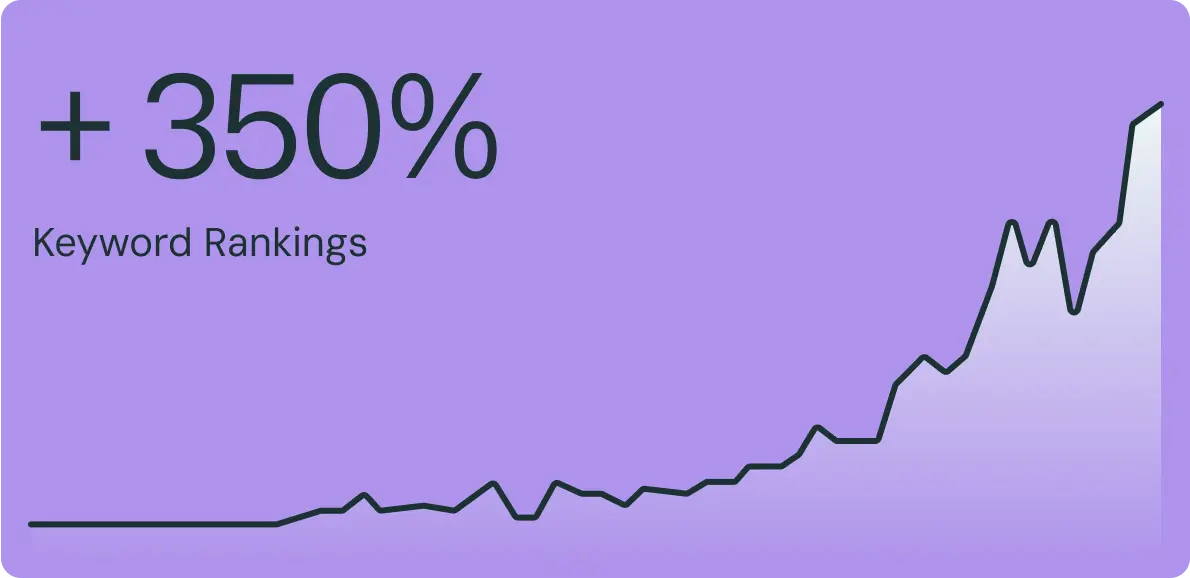
We drove a 250% surge in traffic and increased keyword rankings by 350%, putting the center before key audiences.
Looking to grow your addiction treatment or recovery center?
Our expert SEO strategies and fully managed campaigns help you get more calls, form submissions, and admissions – whether you specialize in alcohol, drug, or dual-diagnosis therapy.
If you prefer to speak with someone now please call 929-377-1035.
We merge extensive digital marketing expertise with a specialized understanding of the recovery and behavioral health care space. Our strategies are data-driven, HIPAA-compliant, and designed to deliver measurable growth, not just impressions.
From search engine optimization to reputation management, we provide full-funnel marketing that enhances credibility, reduces bounce rates, and increases return on investment through improved relevance and backlink strategies.
Digital Marketing strategies that are custom built by our in-house experts and powered by Search Atlas. We’re able to impact your digital footprint today, helping you achieve your treatment goals tomorrow.
Yes. We partner with detox facilities, inpatient and outpatient programs, dual-diagnosis centers, mental health clinics, and other organizations that focus on substance abuse, therapy, recovery, and care.
If your mission is to help people heal, we’re here to help you reach your audience. We tailor our approach to meet your specific needs, whether that includes local SEO, rehab SEO, or building brand awareness for treatment modalities.
Absolutely. We follow strict HIPAA compliance protocols across all targeted advertising, analytics, and lead generation systems, ensuring that your patients’ privacy and insurance-related data remain protected at every touchpoint.
Yes – that’s what we’re built for. We optimize every stage of the funnel from landing page design to content strategy and keyword research to drive high-intent traffic.
Our strategies include PPC ads, organic search results, link building, and optimizing your Google Business Profile to maximize visibility and engagement. We’ll turn site visitors into form submissions, phone calls, and booked assessments.
We do. We build clean, fast, responsive web design tailored to the needs of recovery centers. Mobile-optimized websites are built with user experience, credibility, and attention in mind, helping you stand out from the competition while keeping budget top of mind. Pages are designed not just to look good, but to build trust and convert.
We manage SEO, Google Ads, Meta Ads, marketing automation, and conversion rate optimization, with a performance-first approach across every internet channel.
We’ll help you meet your audience where they’re searching – and guide them to action.
Both. Whether you need a long-term marketing strategy with in-depth rehab SEO, support for a single advertising campaign, or a site build, we’re flexible.
We provide expert competitor analysis, full-site audits, and strategic planning to ensure you maintain your competitive advantage, all with scalable solutions that align with your goals.
We can typically onboard new clients in just a few business days. Once we understand your goals, we’ll use the right tools and resources to develop a tailored strategy using the latest SEO and conversion tactics to earn more leads.
We’ll deliver measurable feedback through every stage of the campaign to launch quickly and drive results fast.
mailing list, patient, email marketing, brand, search engine optimization, search engine, marketing strategy, web design, advertising campaign, landing page, reputation management, reputation, return on investment, addiction, online advertising, visibility, therapy, social media marketing, word of mouth, analytics, target audience, content marketing, copywriting, conversion rate optimization, knowledge, social media, user experience, treatment center, mental health marketing, ppc management, treatment center marketing, optimization, rehab, ppc ads, rehab business, rehab centers, research, american addiction centers, backlink, health care, targeted advertising, organic search results, local search, search engine marketing, voice search, confidence, resource, keyword research, legitscript, physician, seo services, content marketing strategy, effective marketing strategy, digital marketing services, treatment, marketing tactics, digital marketing strategies, program, marketing services, search results, content creation, substance abuse, credibility, algorithm, brand awareness, link building, web traffic, treatment programs, centers drug rehab, drug rehab websites, seo company, seo experts, bounce rate, long tail, usability, behavior, lead generation, audit, strategic planning, expert, responsive web design, onboarding, user intent, web page, transparency, drug, relapse, drug treatment, addiction centers, google business profile, addiction marketing, ethics, infographic, telephone, fee, leadership, automation, marketing automation, passages malibu, adherence, marketing mix, revenue, affordable care act, asset, empathy, chief executive officer, mind, social media analytics, call to action, shame, medication
recovery path seo, recovery path digital marketing, recovery path marketing, rehab seo company, addiction recovery digital marketing
Digital marketing is crucial for recovery centers aiming to enhance their visibility and attract potential clients. With the increasing competition in the mental health and addiction treatment sectors, having a robust online presence is no longer optional; it's a necessity. Effective digital marketing strategies can help recovery centers reach their target audience more efficiently, thereby increasing inquiries and admissions.
By leveraging various digital marketing channels, such as SEO, PPC, and social media, recovery centers can engage with individuals seeking help. For instance, optimizing a website for search engines ensures that those searching for treatment options can easily find relevant services. Furthermore, targeted advertising can directly reach individuals in crisis, providing them with timely information about available resources.
Our case studies showcase the transformative impact of our marketing strategies on recovery centers. By analyzing real-world examples, potential clients can see how tailored marketing solutions have led to significant increases in admissions and client engagement. These success stories illustrate not just the effectiveness of our services but also our commitment to delivering measurable results.
For example, one client experienced a 250% increase in phone inquiries after implementing our comprehensive SEO strategy. Another recovery center reported a 200% rise in admissions within months of launching a targeted PPC campaign. These case studies serve as testimonials to our data-driven approach and the tangible benefits of partnering with Recovery Path Marketing.
Compliance with regulations such as HIPAA is essential for recovery centers when conducting marketing efforts. Ethical marketing practices not only protect patient information but also enhance the credibility of the recovery center. By adhering to strict compliance guidelines, recovery centers can build trust with potential clients and their families, ensuring that sensitive information is handled responsibly.
Our agency prioritizes ethical marketing strategies that align with industry standards. We implement HIPAA-compliant advertising techniques and data management practices, ensuring that all marketing efforts respect patient privacy. This commitment to compliance not only safeguards the recovery center's reputation but also fosters a positive relationship with clients who are seeking help.
Local SEO is a vital component for recovery centers looking to attract clients from their geographical area. By optimizing their online presence for local search results, recovery centers can ensure they are easily found by individuals seeking treatment nearby. This approach not only drives traffic to their website but also increases the likelihood of inquiries and admissions.
Implementing local SEO strategies involves optimizing Google Business Profiles, acquiring local backlinks, and ensuring that NAP (Name, Address, Phone Number) information is consistent across all platforms. For instance, a recovery center that appears in local search results when someone searches for "rehab near me" is more likely to attract clients who prefer local treatment options. Our tailored local SEO campaigns help recovery centers dominate their local markets and connect with those in need of immediate assistance.